
What to do in Catanduanes?
The complete guide to exploring the wild island in the Philippines
Page updated on May 17, 2026.
If you are wondering what to do in Catanduanes, get ready to discover one of the most preserved destinations in the Philippines.
Located in the Bicol region, off the coast of Luzon, Catanduanes is still untouched by mass tourism. Here, there are no crowds or giant hotel complexes. The island captivates visitors with its dramatic cliffs, wild beaches, spectacular viewpoints, and authentic atmosphere.
Whether you are a surf enthusiast, nature lover, hiking fan, or simply looking for a different kind of travel experience, Catanduanes offers a rare immersive adventure in the Philippines.
Here is the complete 2026 guide to the must-do activities in Catanduanes.


The “Happy Island Catanduanes” sign in Virac
Before exploring the island, make a quick stop at the “📍 Happy Island Catanduanes” sign, next to the Catanduanes World War II Memorial Fountain in downtown Virac.
It’s the must-visit photo spot to celebrate your arrival in Catanduanes: selfie, couple picture, or group shot to share proudly.
More than just a souvenir photo, it’s your unofficial visa for an unforgettable stay in Catanduanes ❤️.

Natural highlights of Catanduanes
Binurong Point: the island’s most spectacular sunrise
If you had to choose just one place to visit in Catanduanes, it would be Binurong Point.
After a short hike through rolling green hills overlooking the ocean, you reach one of the island’s most breathtaking panoramas. Facing the Pacific, steep cliffs plunge into an endless sea, creating a raw and dramatic landscape.
At sunrise, golden light illuminates the scenery and transforms it into an almost unreal spectacle. It is undoubtedly the best viewpoint in Catanduanes to witness an unforgettable sunrise.
Local tip: leave between 4:30 and 5:00 AM to avoid the heat, enjoy complete serenity, and arrive just in time for the majestic sunrise.

The most beautiful beaches in Catanduanes
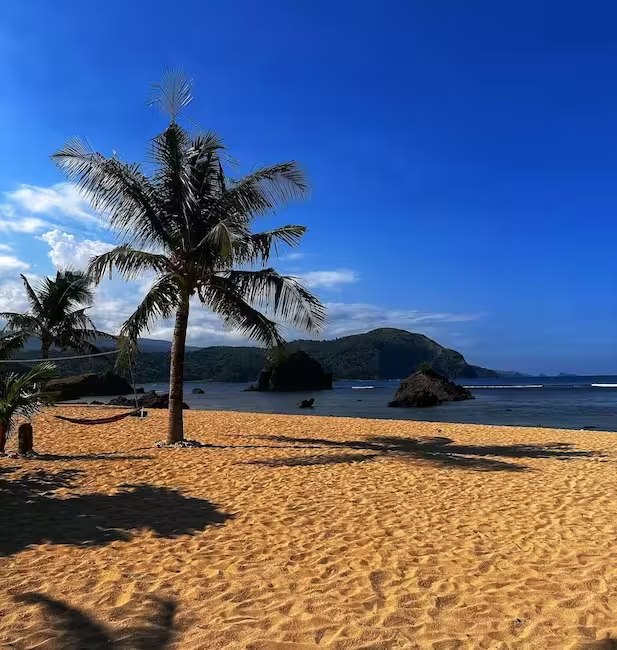
Unlike more crowded islands in the Philippines, the beaches of Catanduanes remain largely untouched: raw landscapes, wild shores, and a rare sense of freedom.
Our top 5 beaches in Catanduanes: Puraran, Marilima, Talisoy, Toytoy, and Cagnipa.
Each part of the island reveals a different coastal experience:
- Southwest coast: the highest concentration of yellow sand beaches with views of the iconic Mayon Volcano — including Mamangal, Marilima, Talisoy, and Batag.
- Northern coast: wild, unspoiled beaches such as Toytoy and Cagnipa, still largely untouched by tourism.
- Eastern coast: home to Puraran Beach, famous for its Majestic surf wave and panoramic 270° views towards Balacay Point. Nearby, the private beach of L’Astrolabe ecolodge offers a peaceful and secluded coastal experience.
Balacay Point: a hidden sunset gem
Less known than Binurong, Balacay Point offers an intimate and contemplative atmosphere.
Rock formations sculpted by the ocean create the perfect setting to admire the sunset in Catanduanes.
Ideal for:
- golden hour photography,
- a romantic moment,
- ending the day after exploring.

Waterfalls of Catanduanes: tropical freshness and nature immersion
Beyond its cliffs and wild beaches, Catanduanes is also home to several waterfalls hidden in lush vegetation.
Some are easily accessible, while others require a short walk along tropical trails lined with coconut trees and rice fields. After the effort, the reward is immediate: a natural pool of clear water, perfect for cooling off after a day under the Philippine sun.
Less crowded than in other regions of the Philippines, Catanduanes’ waterfalls offer an intimate and authentic experience.
Local tip: visit in the morning for clearer water and a peaceful atmosphere. Avoid weekends if you are looking for absolute quiet, as locals often gather there for picnics and family time.
Maribina and Nahulugan are probably the two most famous waterfalls in Catanduanes, but many more remain to be discovered across the island.
Maribina Falls
Maribina Falls is probably the most well-known waterfall in Catanduanes.
Located in the municipality of Bato, it is easily accessible from the main road. Two levels of cascading water fall into a large and deep natural pool, making it one of the best waterfalls in Catanduanes for swimming and relaxing.
- Easy access,
- Family-friendly spot,
- Powerful flow after the rainy season.
Nahulugan Falls
More remote and less visited, Nahulugan Falls impresses visitors with its height and lush tropical surroundings.
Reaching the falls requires a short walk through nature, but the preserved environment and the cool, clear water make the experience especially rewarding.
- Jungle atmosphere,
- Less crowded than other waterfalls,
- Perfect location for nature photography.

Abaca: pride and economic pillar of Catanduanes
In Catanduanes, abaca is an essential resource that supports many families and shapes the island’s agricultural identity. This natural fiber, known for its strength and quality, is widely used in textiles and handicrafts.
Every year, the Abaca Festival celebrates this heritage through parades and cultural performances highlighting local craftsmanship.

Rice fields of Catanduanes: a golden spectacle at sunset
The rice fields of Catanduanes create a peaceful landscape deeply rooted in local life. Depending on the season, they shift from vibrant green to deep golden tones, contrasting beautifully with the hills and tropical sky. Under the soft light of the setting sun, the fields glow with warm reflections, creating an almost surreal atmosphere. It is a suspended moment where the calm of the Philippine countryside reveals the island’s timeless beauty.

St. John the Baptist Church of Bato
Located in the municipality of Bato, St. John the Baptist Church is one of the oldest and most emblematic religious buildings on the island of Catanduanes. Built during the Spanish colonial period, it reflects the early establishment of Christianity in the region and the role of missionaries in the development of the island’s first villages.
Constructed between the 18th and early 19th centuries using volcanic stones and coral blocks, the church was built through the collective work of local residents under the supervision of Spanish priests. Its thick walls and massive architecture were designed to withstand the frequent typhoons and earthquakes that affect the archipelago, making it today a valuable testimony to the history and heritage of Catanduanes.

Surfing in Catanduanes
Catanduanes is one of the most interesting surf destinations in the Philippines for travelers looking for quality waves and uncrowded lineups. Facing the Pacific Ocean, the island receives consistent swells and offers several surf spots depending on wind, season, and swell direction.
The most famous spot is Puraran Beach, home to the legendary Majestic wave, known among experienced surfers in the Philippines. On smaller days, some areas of the beach can also be suitable for beginners with local instructors.
Beyond Puraran, the island offers multiple surf options. The east coast receives Pacific swells directly, while parts of the west coast can work better depending on conditions. This variety means that surfers can often find waves somewhere on the island.
👉 For a detailed guide to the island’s surf spots, seasons, and beginner options, see our dedicated guide:
Where to surf in Catanduanes – complete surf guide

Island hopping to Caramoan: lagoons and paradise islets
From Catanduanes, you can organize an excursion to the Caramoan archipelago.
Typical highlights include:
- traditional banca boat,
- immaculate sandbars,
- turquoise lagoons,
- snorkeling in crystal-clear waters,
- boodle fight, the traditional Filipino shared meal.
Caramoan is also known as a filming location for international adventure shows such as Survivor.

7-Day All-Inclusive Catanduanes Package with Caramoan Island Hopping
Our all-inclusive Catanduanes travel package includes:
- Oceanfront accommodation in a Tiny House at L’Astrolabe ecolodge
- Flexible meal plan (breakfast and your choice of lunch or dinner)
- Island hopping excursion to Caramoan on a traditional banca boat
- Full island tour of Catanduanes
- Nature activities: kayaking, snorkeling and scenic walks
- Relaxing moments facing the Pacific Ocean
Explore Catanduanes and Caramoan, relax at L’Astrolabe, and let us take care of everything.

Fishing villages along the coast
As you follow the coastal road around Catanduanes, take time to stop in the many fishing villages that line the shoreline. On the beaches, colorful bancas (traditional Filipino fishing boats) rest on the sand after returning from the sea, creating simple yet highly photogenic scenes. Fishermen mend their nets, children play near the water, and daily life unfolds at the gentle rhythm of the ocean.
At L’Astrolabe, we have a special fondness for the village of Putsan, near Baras and Puraran Beach, located on the other side of the mouth of the Baras River. Placed under the protection of Our Lady of Peñafrancia, this small village offers from its promontory a beautiful view over Baras Bay, with the islets of Winabalay and Sula offshore, the Moning surf break, and countless bancas dotting the sea.

FAQ – Things to Do in Catanduanes
What is the best time to visit Catanduanes?
The dry season generally runs from March to August and is considered one of the best periods to visit Catanduanes. From August to November, the island tends to attract more surfers thanks to consistent Pacific swells. Like many islands exposed to the Pacific Ocean, Catanduanes can occasionally be affected by typhoons during certain periods (often between mid-October and mid-November). It is recommended to check the weather forecast before planning your trip.
What is Catanduanes’ nickname?
Historically, Catanduanes has been known as the “Land of the Howling Winds,” a name inspired by the strong Pacific winds that sometimes reach the island. More recently, the Catanduanes Tourism Office has promoted the name “Happy Island.” Both nicknames reflect different sides of the island, depending on the season you choose to visit 😉.
What are the best things to do in Catanduanes?
The best things to do in Catanduanes include watching the sunrise at Binurong Point, surfing at Puraran Beach, exploring waterfalls, discovering rice fields and going island hopping in Caramoan. Many travelers also choose to spend a night in the signature Tiny House at L’Astrolabe, an oceanfront ecolodge surrounded by nature.
What other places can you visit in Catanduanes?
There are still many places to discover, as we do not want to spoil your entire trip. Catanduanes rewards travelers who take the time to explore beyond the most famous attractions. Other interesting sites include St. John the Baptist Church in Bato, one of the oldest churches in the province, Bote Lighthouse with panoramic views over the Pacific Ocean, Batag Beach in Virac, the caves of Luyang Cave, the cliffs of Tuwad-Tuwadan, and the local markets of Virac for an authentic glimpse into everyday life in the Philippines.
Beyond these landmarks, Catanduanes can also be explored through its coastal villages, scenic island roads, abaca plantations, rice fields, and hidden beaches accessible after a short walk. It is an island best discovered slowly, far from mass tourism, where every turn in the road may reveal a new spectacular landscape.
Can you surf in Catanduanes?
Yes. Surfing in Catanduanes is becoming increasingly popular among surfers looking for uncrowded waves in the Philippines. Puraran Beach is the most famous surf spot on the island, but several lesser-known breaks can also offer excellent waves depending on the season. See our dedicated guide:
Where to surf in Catanduanes – complete surf guide
Is Catanduanes worth visiting?
If you are looking for an authentic island, raw natural landscapes, few tourists, and a truly immersive travel experience, then Catanduanes is definitely worth visiting.
This is not a destination for mass tourism. It is a destination for curious travelers who want to discover a wilder side of the Philippines.
How many days do you need in Catanduanes?
To truly experience Catanduanes, we strongly recommend staying at least 1 week on the island. A 2-week stay is even better to immerse yourself in the local lifestyle, discover hidden places beyond the main attractions, and enjoy the peaceful atmosphere that makes Catanduanes so unique.
Catanduanes is not only about sightseeing. Beyond iconic spots such as Binurong Point, Puraran Beach, waterfalls, and Caramoan island hopping, the island is also about slowing down, enjoying uncrowded beaches, and embracing a more authentic rhythm of life far from mass tourism.
Many travelers stay between 3 and 5 days to explore the island’s highlights. While this offers a great first impression, we personally believe it is not enough to fully experience the island’s unique atmosphere and hidden treasures. Many visitors leave wishing they had planned a longer stay.
Where to stay in Catanduanes near the beach?
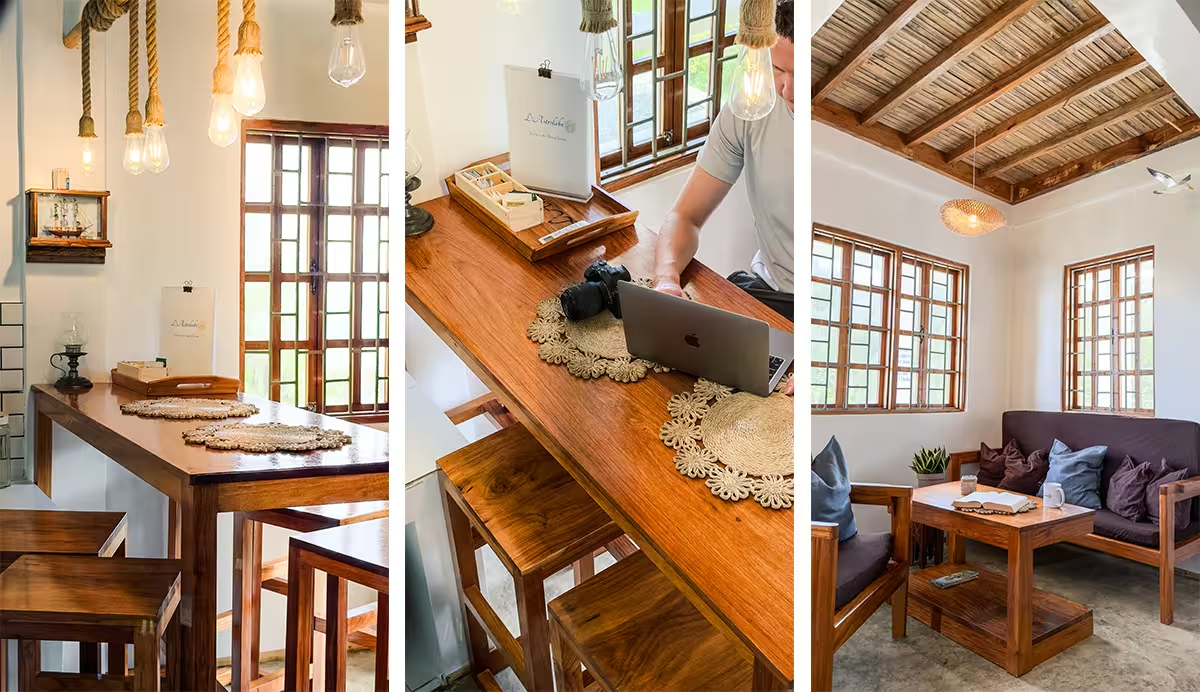
For an oceanfront stay in Catanduanes, L’Astrolabe offers accommodation with direct access to a wild and preserved beach. You will enjoy an exceptional natural setting between the ocean, rice fields and tropical hills, with several options: an oceanfront tiny house, riverside bungalows, or glamping on a private beach.

an eco-friendly stay between the Pacific Ocean, tropical nature, and easy access to the island’s most spectacular landscapes.
How to get to L’Astrolabe?
To plan your arrival, please visit our page How to get to Catanduanes and to L’Astrolabe.
How can I book a stay at L’Astrolabe?
If you are planning a trip to Catanduanes and are looking for peace, nature and authenticity, L’Astrolabe is an ideal place to stay.
You can contact us directly on Messenger to ask questions or make a reservation:


What to do in Catanduanes in 7 days?
With 7 days in Catanduanes, you can explore the island in depth while enjoying a relaxed pace. A full week allows you to alternate between adventure, nature and peaceful moments facing the ocean. To make planning easier, discover our 7-day all-inclusive Catanduanes package with a Caramoan island hopping excursion, designed to offer the complete experience without any logistical hassle.
Did you know that Survivor has been filmed near Catanduanes?
Yes. Several international seasons of the adventure show Survivor have been filmed in the spectacular Caramoan Islands, located in the Bicol region of the Philippines, not far from Catanduanes. The area is famous for its dramatic limestone cliffs, hidden lagoons and remote tropical beaches — landscapes that make it a perfect setting for adventure TV shows. If you are curious about these locations, read our guide about Survivor filming locations in the Philippines.